鸿蒙系统的软件怎么开发


鸿蒙系统的软件开发主要包括了解系统架构、学习鸿蒙系统的开发语言、安装和使用开发环境、编写和测试代码、部署应用程序等步骤。 首先,开发者需要深入理解鸿蒙系统的架构,掌握其微内核设计、分布式架构等核心特性。然后,学习使用鸿蒙系统的开发语言,如Java、JavaScript、C++等,并熟悉其API和框架。接下来,安装和使用鸿蒙的开发环境,如DevEco Studio,以便于编写、测试和部署应用。最后,按照鸿蒙系统的规范编写和测试代码,完成应用程序的开发。
一、UNDERSTANDING THE ARCHITECTURE OF HARMONYOS
HarmonyOS, also known as Hongmeng in Chinese, is an open-source, microkernel-based distributed operating system developed by Huawei. Its architecture is designed to adapt to various devices and scenarios, including smartphones, wearables, and IoT devices. Understanding the architecture of HarmonyOS is crucial for developers as it lays the foundation for the entire development process.
The architecture of HarmonyOS consists of four layers: the kernel layer, system services layer, framework layer, and application layer. The kernel layer, also known as the microkernel, is responsible for core system functions such as process scheduling, memory management, and device drivers. The system services layer provides basic services like network management and file system. The framework layer offers a set of APIs for application development. Finally, the application layer is where developers can create their own applications.
二、LEARNING THE PROGRAMMING LANGUAGES OF HARMONYOS
HarmonyOS supports multiple programming languages, including Java, JavaScript, and C++. Developers can choose the language that they are most comfortable with. However, it's essential to understand that each language has its own set of APIs and frameworks that need to be mastered.
Java is one of the most commonly used languages for HarmonyOS development. It is a high-level, object-oriented programming language that is easy to learn and use. JavaScript, on the other hand, is a scripting language that is primarily used for web development. However, with HarmonyOS, developers can now use JavaScript to build mobile applications as well. C++ is another powerful language supported by HarmonyOS. It is particularly useful for system-level programming and for scenarios where performance is a key consideration.
三、INSTALLING AND USING THE DEVELOPMENT ENVIRONMENT
After understanding the architecture and learning the programming languages, the next step is to set up the development environment. Huawei provides a dedicated IDE (Integrated Development Environment) for HarmonyOS development, known as DevEco Studio. This IDE provides a comprehensive set of tools for developing, testing, and deploying HarmonyOS applications.
To install DevEco Studio, developers need to download it from the official Huawei website. After installation, developers can create a new HarmonyOS project and start coding. DevEco Studio provides various templates and code snippets to help developers get started quickly.
四、WRITING AND TESTING CODE
With the development environment set up, developers can now start coding. HarmonyOS provides a rich set of APIs for application development. These APIs allow developers to leverage the unique features of HarmonyOS, such as distributed capabilities, seamless device collaboration, and more.
After writing the code, it's important to test it thoroughly to ensure it works as expected. Developers can use the built-in emulator in DevEco Studio to test their applications. They can also use real devices for testing if they are avAIlable.
五、DEPLOYING THE APPLICATION
Once the coding and testing are done, the final step is to deploy the application. Developers can package their application into a HAP (HarmonyOS Application Package) file, which can then be distributed through the Huawei AppGallery or other platforms.
In conclusion, developing software for HarmonyOS involves a series of steps, including understanding the system architecture, learning the programming languages, setting up the development environment, coding, testing, and deployment. By following these steps, developers can successfully create applications for this new and exciting operating system.
相关问答FAQs:
1. 鸿蒙系统的软件开发需要哪些技术准备?
鸿蒙系统的软件开发需要具备一定的技术准备,包括熟悉Java或C++等编程语言、掌握鸿蒙系统的开发工具链、了解鸿蒙系统的应用生命周期和框架等。此外,对于特定的应用场景,还需要了解相关的领域知识,以便更好地开发适合鸿蒙系统的软件。
2. 鸿蒙系统的软件开发有哪些常见的开发工具?
鸿蒙系统的软件开发有一些常见的开发工具可供选择。例如,鸿蒙系统提供了鸿蒙开发者工具(HDK)和鸿蒙应用开发工具(HAT),开发者可以使用这些工具进行应用的开发、调试和测试。此外,开发者还可以使用Android Studio等常见的集成开发环境(IDE)进行鸿蒙应用的开发。
3. 鸿蒙系统的软件开发需要注意哪些事项?
在开发鸿蒙系统的软件时,有一些事项需要开发者注意。首先,要了解鸿蒙系统的开发规范和设计原则,以便开发出符合用户体验和系统要求的应用。其次,要注意应用的性能和资源占用,合理使用系统提供的资源。另外,要进行充分的测试和调试,确保应用的稳定性和可靠性。最后,要关注鸿蒙系统的更新和升级,及时适配和优化应用,以保持与系统的兼容性和稳定性。
最后建议,企业在引入信息化系统初期,切记要合理有效地运用好工具,这样一来不仅可以让公司业务高效地运行,还能最大程度保证团队目标的达成。同时还能大幅缩短系统开发和部署的时间成本。特别是有特定需求功能需要定制化的企业,可以采用我们公司自研的企业级低代码平台:织信Informat。 织信平台基于数据模型优先的设计理念,提供大量标准化的组件,内置AI助手、组件设计器、自动化(图形化编程)、脚本、工作流引擎(BPMN2.0)、自定义API、表单设计器、权限、仪表盘等功能,能帮助企业构建高度复杂核心的数字化系统。如ERP、MES、CRM、PLM、SCM、WMS、项目管理、流程管理等多个应用场景,全面助力企业落地国产化/信息化/数字化转型战略目标。版权声明:本文内容由网络用户投稿,版权归原作者所有,本站不拥有其著作权,亦不承担相应法律责任。如果您发现本站中有涉嫌抄袭或描述失实的内容,请联系邮箱:hopper@cornerstone365.cn 处理,核实后本网站将在24小时内删除。
相关文章推荐
最近更新
织信低代码开发“核心引擎”与“拓展能力”介绍
低代码平台不能只看表单、流程和页面。真正进入企业管理场景后,更重要的是底层能不能承载数据、权限、流程、集成、自动化和AI能力。
织信低代码平台的能力,可以分成两部分:核心引擎和拓展能力。核心引擎决定系统能不能搭起来、跑起来;拓展能力决定系统能不能接入更多业务场景,持续扩展。
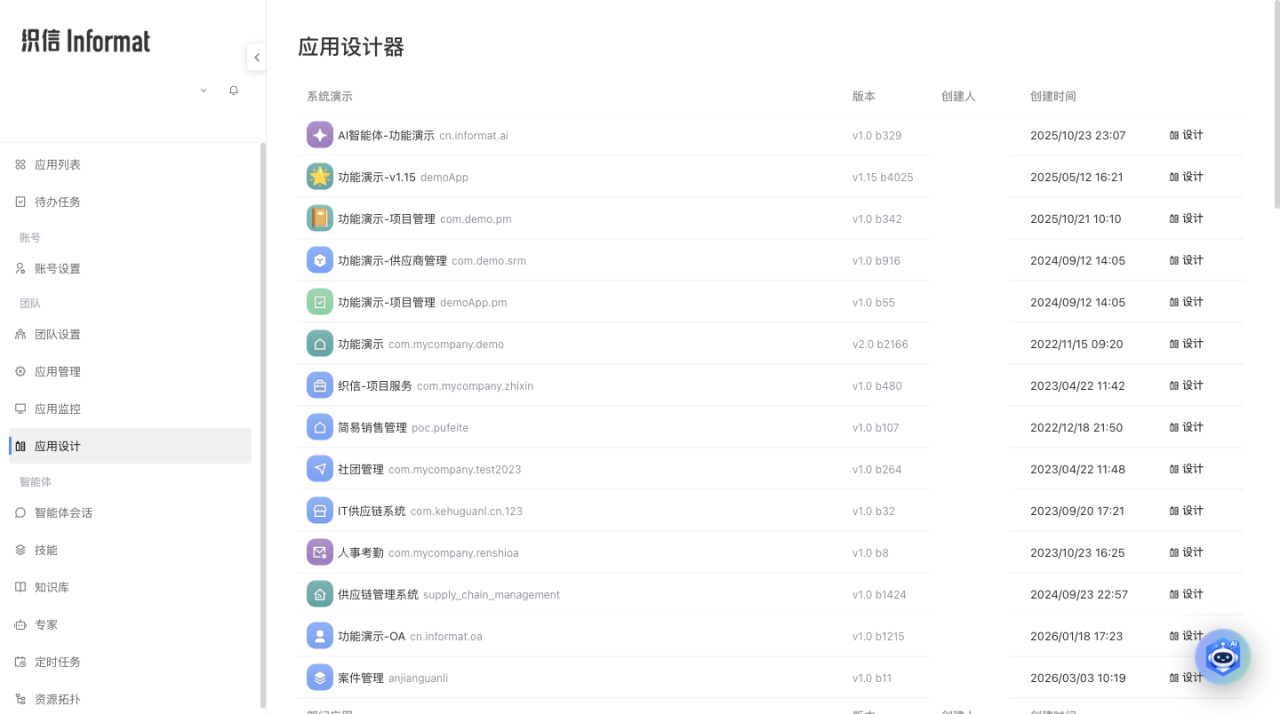 图1:织信应用设计器展示企业应用入口和设计能力。
一、核心引擎:支撑企业应用运行
1、数据建模引擎
织信以数据模型为基础,支持数据表、字段、记录、关联关系等能力。企业可以围绕客户、供应商、项目、合同、物料、设备、工单、库存等业务对象搭建系统,而不是只做一张张孤立表单。
它的价值在于:先把业务数据结构建清楚,再承接流程、权限、报表、接口和AI能力。这是织信区别于轻量表单工具的重要特点。
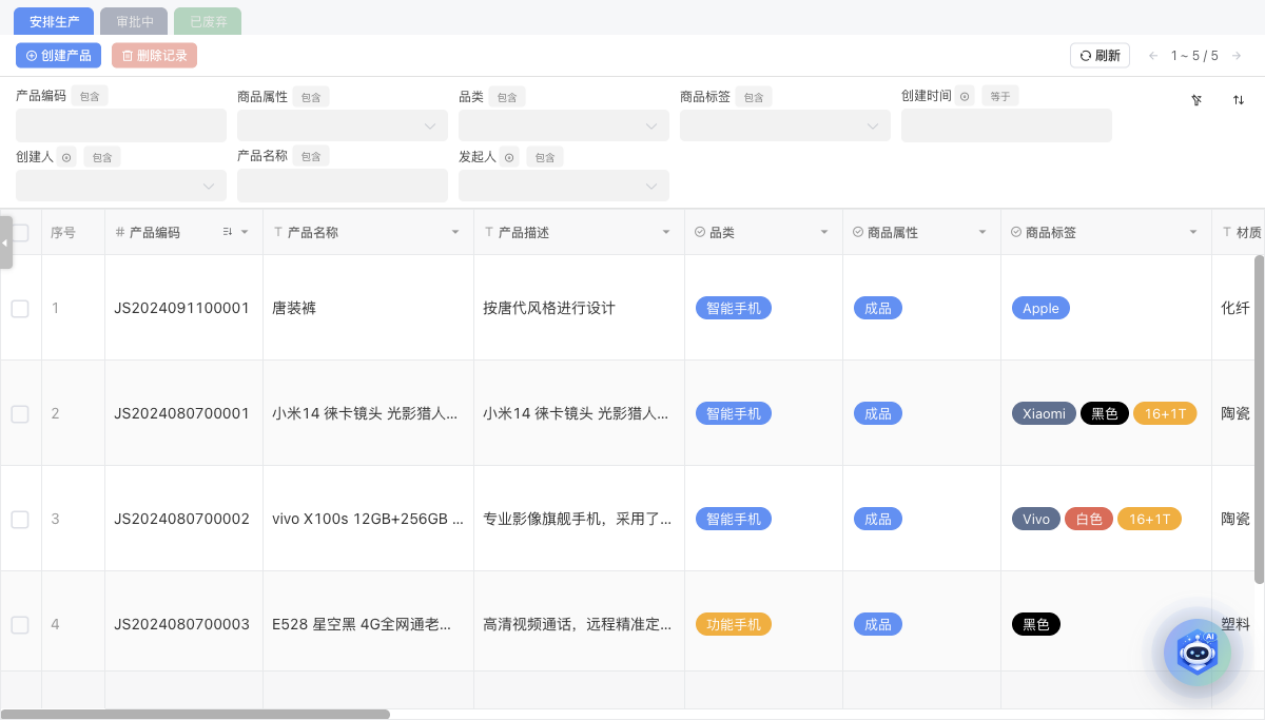 图2:织信数据表视图承载业务对象、字段信息和业务记录。
2、流程自动化引擎
织信提供工作流能力,支持审批、任务、变量、事件、子流程、多实例、多版本等机制。企业可以用它搭建采购审批、合同审批、项目立项、设备维修、费用报销、异常处理等流程。
流程自动化的价值,不只是线上审批,更是把责任、状态、节点和处理记录留在系统里,让业务可追踪、可复盘。
3、权限治理引擎
织信支持组织、部门、用户、角色、应用成员、应用角色等权限管理能力,可以根据岗位、部门和业务场景配置访问范围和操作权限。
企业系统里,不同部门看到的数据、能修改的字段、能审批的节点都不同。权限治理做细,系统才能既安全,又能正常协同。
4、自动化与脚本引擎
织信支持自动化、定时任务、监听器、脚本、HTTP请求等能力,可以在数据变化、流程变化或时间条件满足时自动触发动作。
例如自动提醒、自动校验、自动同步、自动生成记录、自动调用接口。这样系统不只是记录工具,也能参与业务执行。
二、拓展能力:支撑复杂场景扩展
1、系统集成能力
织信支持WebAPI、开放接口、HTTP、JDBC、消息队列、第三方集成、单点登录等能力,可以连接ERP、MES、CRM、OA、财务系统、钉钉、企业微信、飞书、LDAP、数据库等系统。
这让织信既能搭建新应用,也能作为企业系统之间的协同层。
2、界面与组件拓展能力
织信提供表单设计器、组件设计器、自定义组件字段、自定义视图、仪表盘、网站页面等能力,可以根据不同业务场景设计页面、看板和操作入口。
这使企业既能快速搭建标准应用,也能针对复杂需求做个性化扩展。
3、AI Agent能力
织信官方文档将其定位为企业级AI开发平台,强调数据建模、流程自动化、权限治理、系统集成与AI Agent能力。
在织信中,AI能力可以结合知识库、专家、技能、智能体、设计器智能体等模块,参与应用搭建、数据分析、流程辅助和业务处理。
更重要的是,织信的AI能力建立在数据、流程、权限和系统集成之上。这样AI进入企业系统时,能明确数据范围、操作边界和审批要求。
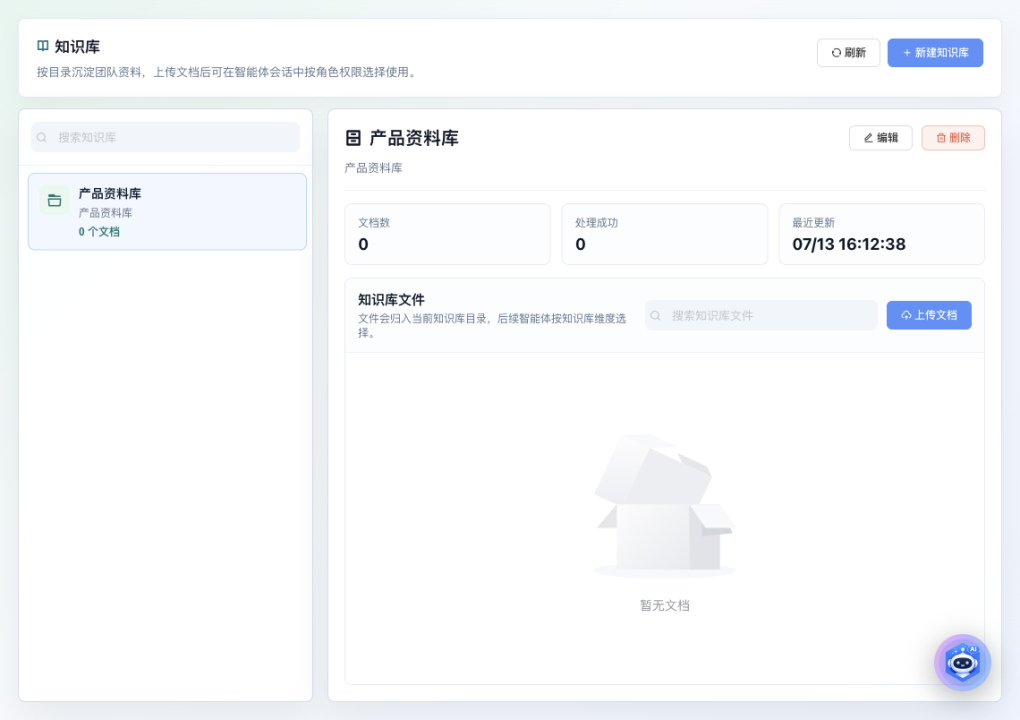 图3:织信知识库能力可以为AI Agent和业务问答提供资料基础。
三、织信的独特之处
织信不是单点工具,而是企业信息化AI开发底座。
它既有低代码平台常见的表单、流程、权限、报表和自动化能力,也具备企业级系统需要的集成、部署、运维、SSO、信创适配、私有化部署等能力,同时把AI Agent纳入应用建设过程。
因此,织信更适合有复杂业务系统建设需求的企业。比如项目管理、OA、ERP扩展、MES补位、WMS、SRM、CRM、设备管理、人事管理等场景,都可以基于织信进行搭建和扩展。
简单来说,织信的价值在于:把数据模型、业务流程、权限治理、自动化执行、系统集成和AI能力放在同一个平台里,让企业系统搭得快、管得住、连得上,也能持续扩展。
各行业用户的共同选择







客服电话
0755-86660062
获取您的专属数字化方案