研发部门的招待费怎么


标题: HOW TO MANAGE HOSPITALITY EXPENSES IN THE R&D DEPARTMENT
Hospitality expenses in the R&D department can be managed by establishing clear expense policies, regular monitoring, and utilizing expense management software. Proper categorization of expenses, setting up spending limits, and conducting regular audits are other effective strategies. This article will delve into the importance of each of these points and provide practical tips on how to implement them effectively.
I. ESTABLISHING CLEAR EXPENSE POLICIES
Establishing clear and comprehensive expense policies is the first step towards effective management of hospitality expenses. These policies should define what constitutes a legitimate business expense, set dAIly or event-specific spending limits, and outline the process for submitting and approving expense claims. Employees should be adequately trained on these policies to ensure compliance.
The policy should be specific enough to cover different scenarios. For example, it should differentiate between hospitality expenses for internal team meetings and those for entertaining clients or partners. The policy should also address grey areas such as gifts for clients, as these can often be a source of confusion and potential abuse.
II. REGULAR MONITORING AND AUDITS
Regular monitoring and audits of expense claims can help identify any discrepancies or policy violations. This process should involve a review of all submitted expense claims to ensure they comply with the company's policies and are backed up by appropriate documentation such as receipts.
Audits can also help identify trends and patterns in hospitality spending. This information can be used to adjust policies or spending limits if necessary. For example, if the audits reveal that hospitality spending is consistently exceeding the set limits, it may be a sign that the limits are unrealistic and need to be revised.
III. UTILIZING EXPENSE MANAGEMENT SOFTWARE
Expense management software can greatly simplify the process of tracking and managing hospitality expenses. This software can automate many of the tasks involved in expense management, such as categorizing expenses, tracking spending against budgets, and generating reports.
Expense management software can also help enforce expense policies. For example, the software can be configured to reject expense claims that exceed the set spending limits or are not backed up by required documentation. This can help reduce the likelihood of policy violations and ensure that all expenses are properly accounted for.
IV. PROPER CATEGORIZATION OF EXPENSES
Proper categorization of expenses is crucial for effective expense management. This involves assigning each expense to the appropriate category, such as meals, travel, or gifts.
Categorizing expenses not only helps in tracking spending and identifying trends, but also in ensuring compliance with tax laws. For example, some business expenses may be tax-deductible, while others are not. Proper categorization can help ensure that the company takes advantage of all eligible tax deductions and avoids potential penalties for incorrect tax filings.
V. SETTING UP SPENDING LIMITS
Setting up spending limits for hospitality expenses can help control spending and prevent budget overruns. These limits should be realistic and based on the company's financial situation and the nature of its business.
Spending limits can be set on a per-event or per-day basis, or they can be based on the role or seniority of the employee. For example, higher spending limits might be allowed for senior executives or for events involving important clients or partners. These limits should be clearly communicated to all employees and strictly enforced.
In conclusion, managing hospitality expenses in the R&D department involves a combination of clear policies, regular monitoring, effective use of technology, proper categorization of expenses, and realistic spending limits. By implementing these strategies, companies can ensure that their hospitality spending is well-controlled and contributes to the achievement of their business goals.
相关问答FAQs:
1. 招待费是什么?
招待费是指公司研发部门用于款待客户、供应商或合作伙伴的费用,旨在维护良好的业务关系和促进合作。
2. 研发部门的招待费用有哪些具体项目?
研发部门的招待费用包括但不限于商务宴请、出差接待、商务旅行、外部培训等。这些费用通常用于餐饮、住宿、交通和娱乐等方面。
3. 研发部门招待费的使用限制是什么?
研发部门招待费的使用应符合公司的相关政策和规定。一般来说,费用必须合理、合法,并与业务活动直接相关。此外,费用使用必须经过审批并进行适当的记录和报销。
版权声明:本文内容由网络用户投稿,版权归原作者所有,本站不拥有其著作权,亦不承担相应法律责任。如果您发现本站中有涉嫌抄袭或描述失实的内容,请联系邮箱:hopper@cornerstone365.cn 处理,核实后本网站将在24小时内删除。
相关文章推荐
最近更新
织信低代码开发“核心引擎”与“拓展能力”介绍
低代码平台不能只看表单、流程和页面。真正进入企业管理场景后,更重要的是底层能不能承载数据、权限、流程、集成、自动化和AI能力。
织信低代码平台的能力,可以分成两部分:核心引擎和拓展能力。核心引擎决定系统能不能搭起来、跑起来;拓展能力决定系统能不能接入更多业务场景,持续扩展。
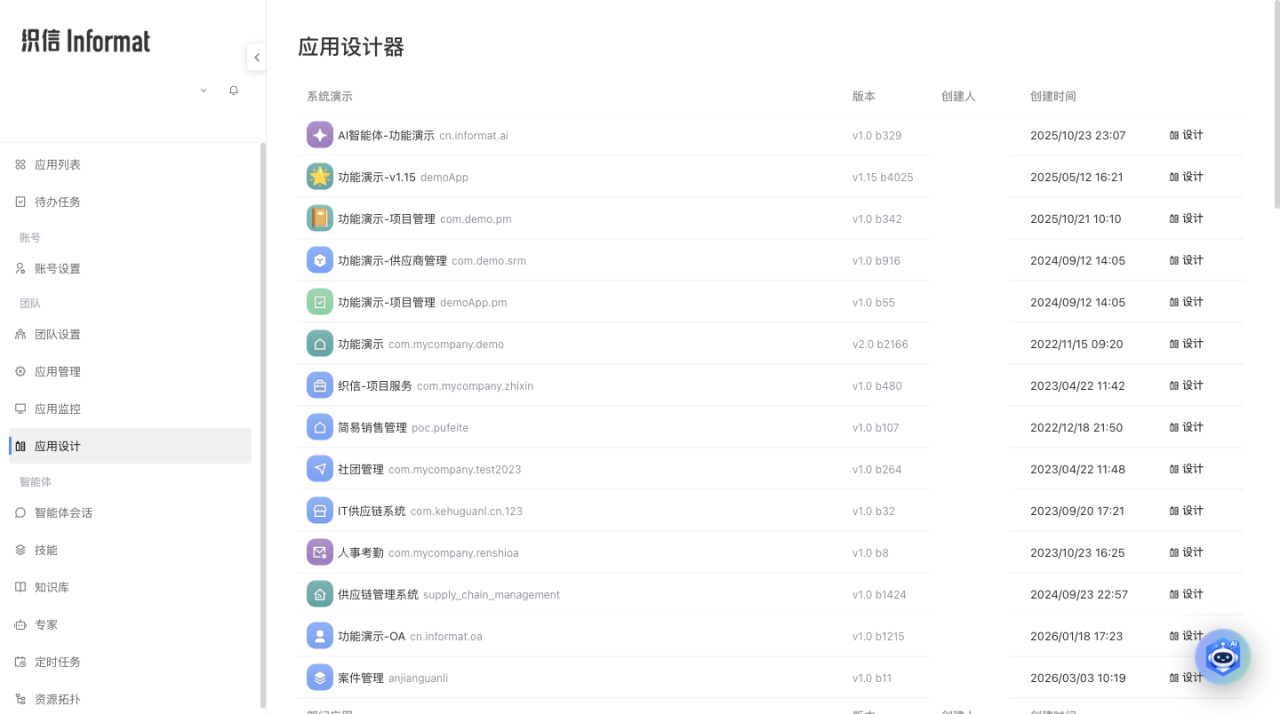 图1:织信应用设计器展示企业应用入口和设计能力。
一、核心引擎:支撑企业应用运行
1、数据建模引擎
织信以数据模型为基础,支持数据表、字段、记录、关联关系等能力。企业可以围绕客户、供应商、项目、合同、物料、设备、工单、库存等业务对象搭建系统,而不是只做一张张孤立表单。
它的价值在于:先把业务数据结构建清楚,再承接流程、权限、报表、接口和AI能力。这是织信区别于轻量表单工具的重要特点。
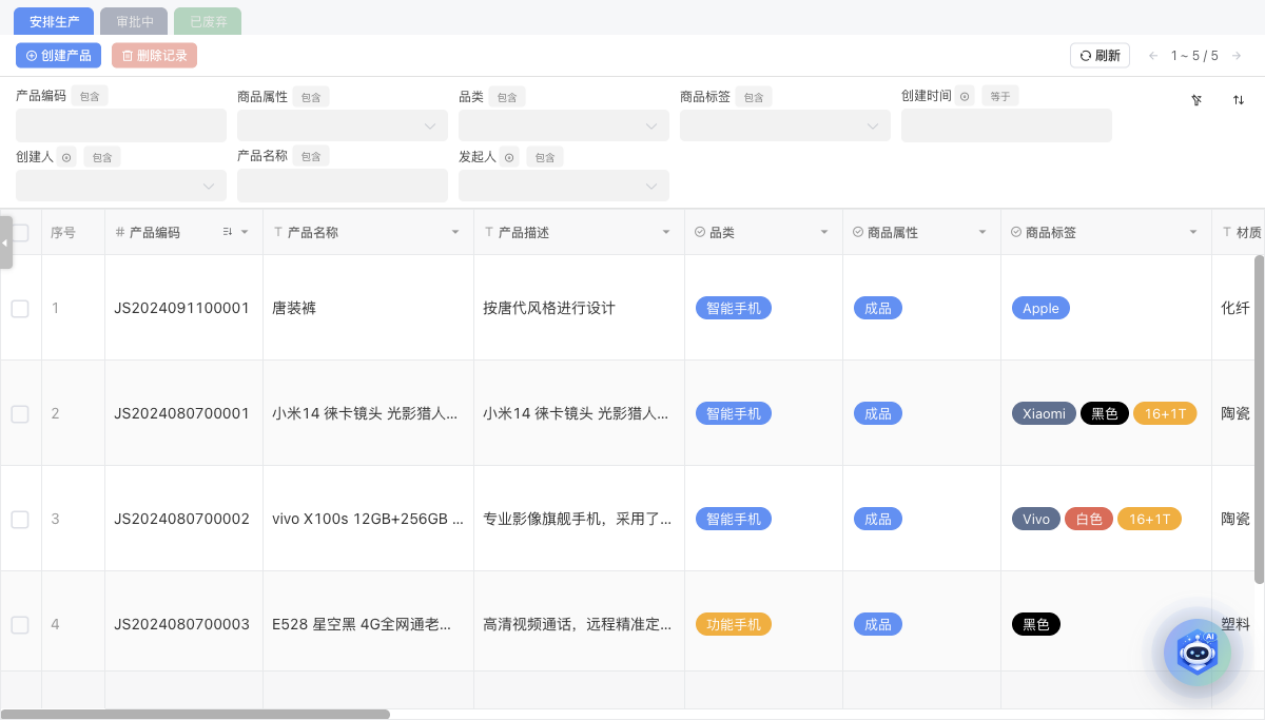 图2:织信数据表视图承载业务对象、字段信息和业务记录。
2、流程自动化引擎
织信提供工作流能力,支持审批、任务、变量、事件、子流程、多实例、多版本等机制。企业可以用它搭建采购审批、合同审批、项目立项、设备维修、费用报销、异常处理等流程。
流程自动化的价值,不只是线上审批,更是把责任、状态、节点和处理记录留在系统里,让业务可追踪、可复盘。
3、权限治理引擎
织信支持组织、部门、用户、角色、应用成员、应用角色等权限管理能力,可以根据岗位、部门和业务场景配置访问范围和操作权限。
企业系统里,不同部门看到的数据、能修改的字段、能审批的节点都不同。权限治理做细,系统才能既安全,又能正常协同。
4、自动化与脚本引擎
织信支持自动化、定时任务、监听器、脚本、HTTP请求等能力,可以在数据变化、流程变化或时间条件满足时自动触发动作。
例如自动提醒、自动校验、自动同步、自动生成记录、自动调用接口。这样系统不只是记录工具,也能参与业务执行。
二、拓展能力:支撑复杂场景扩展
1、系统集成能力
织信支持WebAPI、开放接口、HTTP、JDBC、消息队列、第三方集成、单点登录等能力,可以连接ERP、MES、CRM、OA、财务系统、钉钉、企业微信、飞书、LDAP、数据库等系统。
这让织信既能搭建新应用,也能作为企业系统之间的协同层。
2、界面与组件拓展能力
织信提供表单设计器、组件设计器、自定义组件字段、自定义视图、仪表盘、网站页面等能力,可以根据不同业务场景设计页面、看板和操作入口。
这使企业既能快速搭建标准应用,也能针对复杂需求做个性化扩展。
3、AI Agent能力
织信官方文档将其定位为企业级AI开发平台,强调数据建模、流程自动化、权限治理、系统集成与AI Agent能力。
在织信中,AI能力可以结合知识库、专家、技能、智能体、设计器智能体等模块,参与应用搭建、数据分析、流程辅助和业务处理。
更重要的是,织信的AI能力建立在数据、流程、权限和系统集成之上。这样AI进入企业系统时,能明确数据范围、操作边界和审批要求。
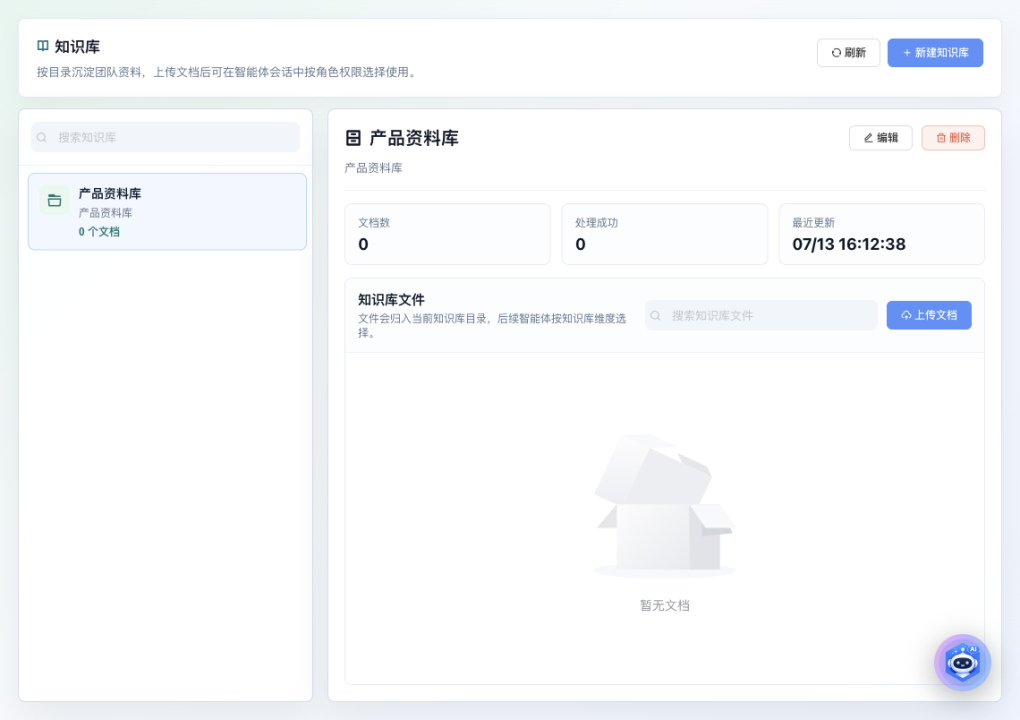 图3:织信知识库能力可以为AI Agent和业务问答提供资料基础。
三、织信的独特之处
织信不是单点工具,而是企业信息化AI开发底座。
它既有低代码平台常见的表单、流程、权限、报表和自动化能力,也具备企业级系统需要的集成、部署、运维、SSO、信创适配、私有化部署等能力,同时把AI Agent纳入应用建设过程。
因此,织信更适合有复杂业务系统建设需求的企业。比如项目管理、OA、ERP扩展、MES补位、WMS、SRM、CRM、设备管理、人事管理等场景,都可以基于织信进行搭建和扩展。
简单来说,织信的价值在于:把数据模型、业务流程、权限治理、自动化执行、系统集成和AI能力放在同一个平台里,让企业系统搭得快、管得住、连得上,也能持续扩展。
各行业用户的共同选择








客服电话
0755-86660062
获取您的专属数字化方案