什么公司研发学习软件


WHAT COMPANIES DEVELOP LEARNING SOFTWARE?
Numerous companies around the globe are engaged in the development of learning software. Some of these include well-known names such as Google, Microsoft, Pearson, Adobe, and Blackboard. Other noteworthy companies in this sector include D2L, Instructure, and McGraw-Hill Education. These companies have made significant strides in educational technology, offering solutions that span from K-12 to higher education and corporate learning.
In the following sections, we'll delve deeper into these companies, their learning software, and how they have revolutionized the education sector.
I. GOOGLE AND MICROSOFT
Google and Microsoft are two of the most recognizable names in technology, and they have both made significant contributions to educational technology.
Google offers a suite of education tools known as Google Classroom. This software allows teachers to create, distribute, and grade assignments in a paperless way. The software integrates with Google's other services, such as Google Docs, Sheets, and Slides, making it a comprehensive learning solution.
Microsoft, on the other hand, offers Microsoft Education, which includes a range of products designed for the classroom. One of the key products in this suite is Microsoft Teams for Education, a digital hub that brings conversations, content, and apps together in one place.
II. PEARSON AND ADOBE
Pearson and Adobe are two more companies that have made significant strides in developing learning software.
Pearson is a global learning company that offers a wide range of educational products and services. One of its key offerings is MyLab and Mastering, a collection of online homework, tutorial, and assessment products designed to improve the results of all higher education students.
Adobe, primarily known for its creative software, also offers Adobe Captivate, an eLearning tool used for creating software demonstrations, software simulations, branched scenarios, and randomized quizzes in Small Web Formats and HTML5 formats.
III. BLACKBOARD, D2L, AND INSTRUCTURE
Blackboard, D2L, and Instructure are three companies that focus specifically on education technology.
Blackboard is perhaps best known for its learning management system (LMS), Blackboard Learn. This software provides an interface for course materials and enables a range of interactions between students and instructors.
D2L (Desire2Learn) also offers an LMS, Brightspace. The platform provides teachers with tools to design engaging and effective lessons, and it offers learners with personalized experiences.
Instructure offers Canvas, another popular LMS. Canvas is known for its user-friendly online environment and its ability to integrate with other educational tools.
IV. MCGRAW-HILL EDUCATION
McGraw-Hill Education is a learning science company that delivers personalized learning experiences. Its key software offering is McGraw-Hill Connect, a digital teaching and learning environment that saves students and instructors time while improving performance over a variety of critical outcomes.
In conclusion, many companies are involved in the development of learning software, each offering unique products and solutions. This proliferation of educational technology is revolutionizing the way we learn and teach, making education more accessible, engaging, and effective.
相关问答FAQs:
1. 有哪些公司开发了研发学习软件?
研发学习软件是由许多不同的公司开发的,其中包括但不限于以下几家:
- ABC公司:他们的研发学习软件以其用户友好的界面和丰富的学习资源而闻名。他们的软件可以根据个人的学习需求和兴趣定制学习计划,并提供高质量的教学内容。
- XYZ公司:他们的研发学习软件注重实践和实验,提供许多实际案例和模拟实验,帮助学生更好地理解和应用所学知识。
- 123公司:他们的研发学习软件注重互动和合作学习,通过在线讨论和团队项目等方式促进学生之间的交流和合作。
2. 哪家公司的研发学习软件更适合初学者?
对于初学者来说,ABC公司的研发学习软件可能更适合。他们的软件提供了适应性学习功能,可以根据用户的学习进度和理解程度自动调整教学内容,帮助初学者更轻松地入门。此外,他们还提供了详细的解释和示例,帮助初学者理解概念和原理。
3. 研发学习软件有哪些优势?
研发学习软件有许多优势,包括但不限于以下几点:
- 可个性化学习:研发学习软件可以根据个人的学习需求和兴趣定制学习计划,帮助学生更加高效地学习。
- 提供丰富的学习资源:研发学习软件通常提供丰富的学习资源,包括教学视频、教材、实例等,帮助学生全面理解和应用所学知识。
- 可随时随地学习:研发学习软件可以通过互联网随时随地访问,方便学生按照自己的节奏和时间进行学习。
- 提供实践和互动学习机会:一些研发学习软件提供实践和互动学习机会,例如实验模拟和在线讨论,帮助学生更好地应用所学知识和与他人交流合作。
注意:FAQs的回答要求简洁明了,避免出现冗余的表述。
最后建议,企业在引入信息化系统初期,切记要合理有效地运用好工具,这样一来不仅可以让公司业务高效地运行,还能最大程度保证团队目标的达成。同时还能大幅缩短系统开发和部署的时间成本。特别是有特定需求功能需要定制化的企业,可以采用我们公司自研的企业级低代码平台:织信Informat。 织信平台基于数据模型优先的设计理念,提供大量标准化的组件,内置AI助手、组件设计器、自动化(图形化编程)、脚本、工作流引擎(BPMN2.0)、自定义API、表单设计器、权限、仪表盘等功能,能帮助企业构建高度复杂核心的数字化系统。如ERP、MES、CRM、PLM、SCM、WMS、项目管理、流程管理等多个应用场景,全面助力企业落地国产化/信息化/数字化转型战略目标。版权声明:本文内容由网络用户投稿,版权归原作者所有,本站不拥有其著作权,亦不承担相应法律责任。如果您发现本站中有涉嫌抄袭或描述失实的内容,请联系邮箱:hopper@cornerstone365.cn 处理,核实后本网站将在24小时内删除。
相关文章推荐
最近更新
织信低代码开发“核心引擎”与“拓展能力”介绍
低代码平台不能只看表单、流程和页面。真正进入企业管理场景后,更重要的是底层能不能承载数据、权限、流程、集成、自动化和AI能力。
织信低代码平台的能力,可以分成两部分:核心引擎和拓展能力。核心引擎决定系统能不能搭起来、跑起来;拓展能力决定系统能不能接入更多业务场景,持续扩展。
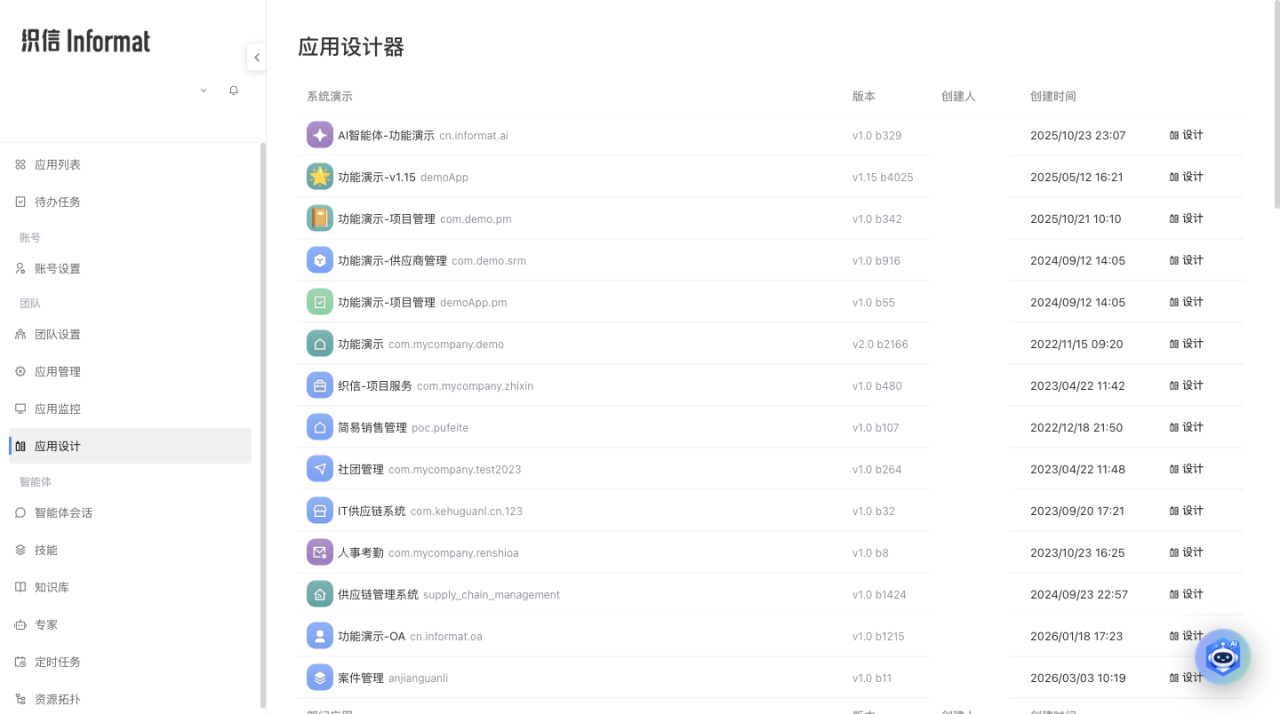 图1:织信应用设计器展示企业应用入口和设计能力。
一、核心引擎:支撑企业应用运行
1、数据建模引擎
织信以数据模型为基础,支持数据表、字段、记录、关联关系等能力。企业可以围绕客户、供应商、项目、合同、物料、设备、工单、库存等业务对象搭建系统,而不是只做一张张孤立表单。
它的价值在于:先把业务数据结构建清楚,再承接流程、权限、报表、接口和AI能力。这是织信区别于轻量表单工具的重要特点。
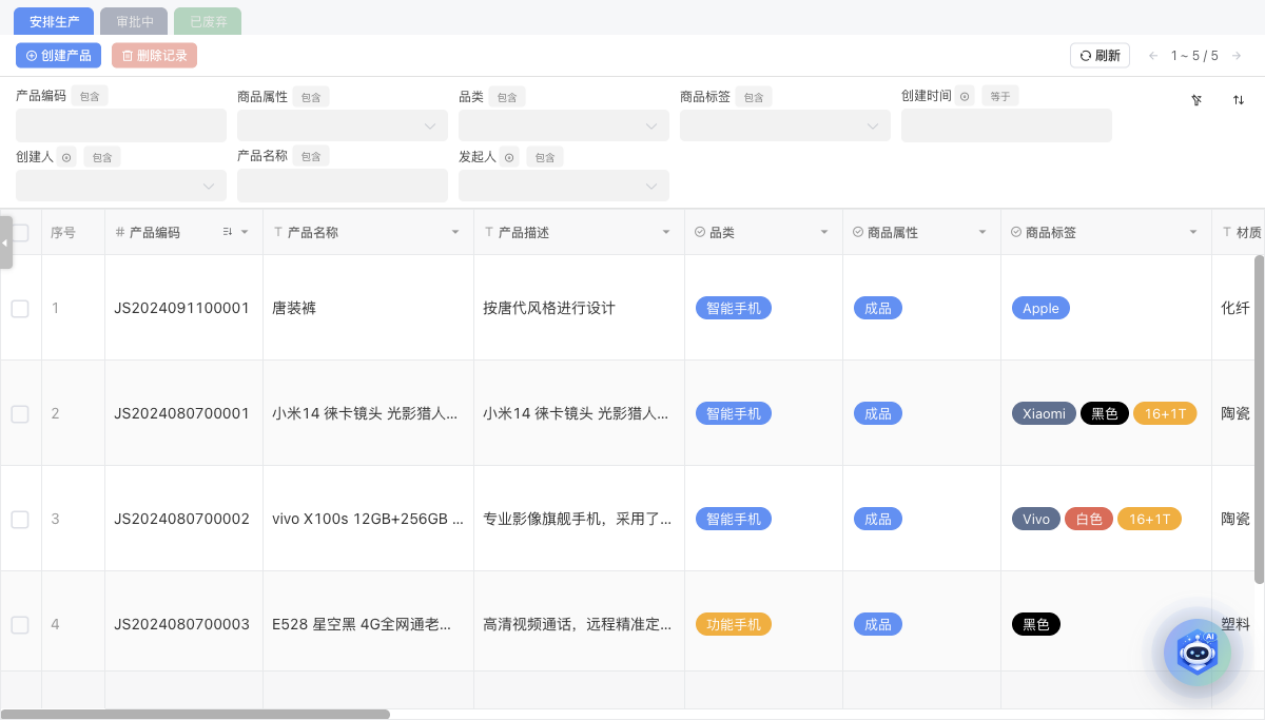 图2:织信数据表视图承载业务对象、字段信息和业务记录。
2、流程自动化引擎
织信提供工作流能力,支持审批、任务、变量、事件、子流程、多实例、多版本等机制。企业可以用它搭建采购审批、合同审批、项目立项、设备维修、费用报销、异常处理等流程。
流程自动化的价值,不只是线上审批,更是把责任、状态、节点和处理记录留在系统里,让业务可追踪、可复盘。
3、权限治理引擎
织信支持组织、部门、用户、角色、应用成员、应用角色等权限管理能力,可以根据岗位、部门和业务场景配置访问范围和操作权限。
企业系统里,不同部门看到的数据、能修改的字段、能审批的节点都不同。权限治理做细,系统才能既安全,又能正常协同。
4、自动化与脚本引擎
织信支持自动化、定时任务、监听器、脚本、HTTP请求等能力,可以在数据变化、流程变化或时间条件满足时自动触发动作。
例如自动提醒、自动校验、自动同步、自动生成记录、自动调用接口。这样系统不只是记录工具,也能参与业务执行。
二、拓展能力:支撑复杂场景扩展
1、系统集成能力
织信支持WebAPI、开放接口、HTTP、JDBC、消息队列、第三方集成、单点登录等能力,可以连接ERP、MES、CRM、OA、财务系统、钉钉、企业微信、飞书、LDAP、数据库等系统。
这让织信既能搭建新应用,也能作为企业系统之间的协同层。
2、界面与组件拓展能力
织信提供表单设计器、组件设计器、自定义组件字段、自定义视图、仪表盘、网站页面等能力,可以根据不同业务场景设计页面、看板和操作入口。
这使企业既能快速搭建标准应用,也能针对复杂需求做个性化扩展。
3、AI Agent能力
织信官方文档将其定位为企业级AI开发平台,强调数据建模、流程自动化、权限治理、系统集成与AI Agent能力。
在织信中,AI能力可以结合知识库、专家、技能、智能体、设计器智能体等模块,参与应用搭建、数据分析、流程辅助和业务处理。
更重要的是,织信的AI能力建立在数据、流程、权限和系统集成之上。这样AI进入企业系统时,能明确数据范围、操作边界和审批要求。
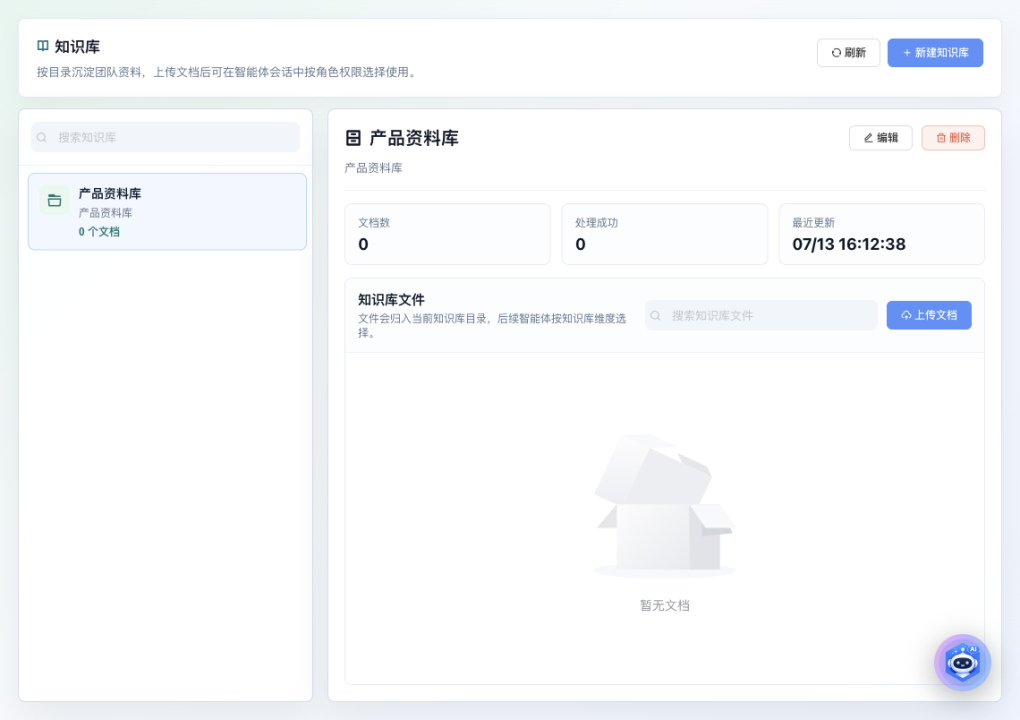 图3:织信知识库能力可以为AI Agent和业务问答提供资料基础。
三、织信的独特之处
织信不是单点工具,而是企业信息化AI开发底座。
它既有低代码平台常见的表单、流程、权限、报表和自动化能力,也具备企业级系统需要的集成、部署、运维、SSO、信创适配、私有化部署等能力,同时把AI Agent纳入应用建设过程。
因此,织信更适合有复杂业务系统建设需求的企业。比如项目管理、OA、ERP扩展、MES补位、WMS、SRM、CRM、设备管理、人事管理等场景,都可以基于织信进行搭建和扩展。
简单来说,织信的价值在于:把数据模型、业务流程、权限治理、自动化执行、系统集成和AI能力放在同一个平台里,让企业系统搭得快、管得住、连得上,也能持续扩展。
各行业用户的共同选择





客服电话
0755-86660062
获取您的专属数字化方案